
A fixed blade knife is a solid, non-folding cutting tool designed for dependable outdoor control, strength, and utility. Because the blade stays exposed during use, safe handling matters for camping, bushcraft, survival practice, food prep, and basic outdoor chores.
This article explains safe grip, cutting direction, task control, maintenance, storage, and beginner habits. The goal is to help users handle a fixed blade knife confidently without treating it carelessly or using more force than the task requires.
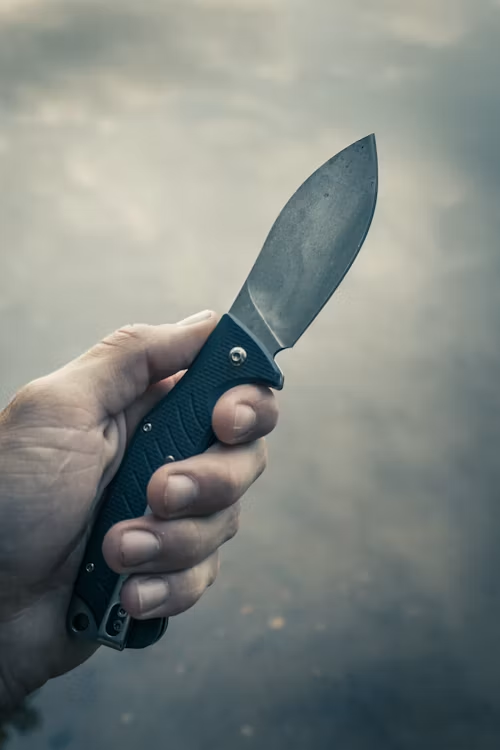
Why Fixed Blade Knife Safety Matters Outdoors?
Fixed blade knives are valued outdoors because they are strong, simple, and easy to clean. Unlike folding knives, they do not rely on a hinge or lock, which makes them useful for heavier camp tasks. That same exposed-blade design also means the user must pay more attention to grip, body position, sheath use, and cutting direction.
New users usually benefit from a predictable handle, manageable blade length, and simple sheath system, which is why choosing the best fixed blade knife for beginners can make early outdoor practice safer and less frustrating.
A safe outdoor knife habit starts before the first cut. The user should know where the edge is, where the blade will move, and what happens if the material slips.
| Safety Factor | Why It Matters |
| Stable grip | Reduces slipping during pressure cuts |
| Clear cutting path | Keeps the blade away from hands and legs |
| Sharp edge | Requires less force and improves control |
| Secure sheath | Prevents accidental contact when carrying |
| Dry handle | Improves grip in wet or cold conditions |
The next step is learning how to control the knife before using it for real camp tasks.
Basic Fixed Blade Knife Handling Skills
The safest fixed blade technique is built around control, not force. A user should hold the handle firmly but not so tightly that the wrist becomes stiff. A tense grip can make small adjustments harder, especially when trimming wood, cutting cord, or slicing food.
A major part of how to choose fixed blade knives is understanding whether the handle shape, edge profile, and blade size match the tasks the user actually performs. A large survival blade may feel powerful, but it can be awkward for food prep or fine cutting. A smaller blade may feel precise, but it may not suit heavier outdoor chores.
Good handling habits include:
- Keep the blade pointed away from the body.
- Cut on a stable surface when possible.
- Avoid cutting toward fingers, thighs, or feet.
- Use short, controlled cuts instead of long, forced strokes.
- Stop cutting if the handle becomes wet, greasy, or unstable.
The knife should feel like a controlled tool, not a test of strength. Once grip and direction feel natural, the user can apply those habits to common outdoor tasks.
Outdoor Tasks Where Fixed Blade Knives Are Most Useful
A fixed blade knife is most useful when the task benefits from strength, easy cleaning, and direct control. Around camp, it can help with food prep, packaging, cord cutting, feather sticks, tinder preparation, and light utility work. It should not be treated as a substitute for every tool. Heavy chopping, prying, or twisting can damage the edge, tip, or handle.
For camp chores, the key features of fixed blade knives usually matter most when they improve control, edge stability, grip comfort, and sheath security. A comfortable handle helps during repeated cuts, while a practical blade shape makes it easier to slice, trim, and prepare materials cleanly.
| Outdoor Task | Safe Use Tip |
| Cutting cord | Pull the cord tight and cut away from the hand |
| Food prep | Use a clean blade and stable cutting surface |
| Feather sticks | Use shallow strokes with steady wrist control |
| Opening packaging | Keep the blade angle low and controlled |
| Light wood prep | Avoid twisting the blade under pressure |
Outdoor usefulness depends on matching the tool to the task. Safe use also depends on keeping the knife in good condition.
Maintenance Habits That Improve Safety
A dull knife often feels safer to beginners, but it usually creates more risk because it requires extra pressure. When a blade needs force to cut, it is more likely to slip. A sharp, clean edge allows the user to make smaller, more predictable movements.
A clean, sharp, and properly stored blade is easier to control, so safety, maintenance, and best practices should be treated as part of everyday ownership rather than occasional upkeep.
Basic maintenance should include:
- Wipe the blade after food, sap, dirt, or moisture exposure.
- Dry the knife before returning it to the sheath.
- Touch up the edge before it becomes fully dull.
- Check handle screws, scales, or grip material for looseness.
- Inspect the sheath for cracks, weak retention, or moisture buildup.
Carbon steel blades may need extra drying and light oiling to reduce rust. Stainless steel can still stain or corrode if neglected, especially after exposure to saltwater, acidic foods, or damp storage.
Once maintenance becomes routine, the final safety step is checking the knife and work area before each use.
Beginner Safety Checklist Before Every Use
Before any cutting task begins, setup, usage, and practical handling can determine whether the knife feels controlled, stable, and appropriate for the work area. A safe user does not simply pull out the knife and start cutting. They check the surroundings, the material, and the blade path first.
Use this quick checklist before outdoor knife work:
- Is the work area stable and clear?
- Are other people standing outside the cutting path?
- Is the handle dry and secure?
- Is the blade sharp enough for the task?
- Is the sheath placed where it will not be lost or stepped on?
- Is the material supported properly?
- Can the task be done with a smaller movement or safer tool?
If the answer to any of these is no, fix the issue before cutting. Most outdoor knife accidents happen when users rush, cut toward themselves, use too much force, or ignore unstable working conditions.
Good knife safety is not complicated. It is mostly the habit of slowing down before the blade moves.
FAQs
Is A Fixed Blade Knife Safe For Beginners?
Yes. A fixed blade knife can be safe for beginners when the blade size is manageable, the handle is secure, and the user practices controlled cutting away from the body.
Should A Fixed Blade Knife Be Very Sharp?
Yes. A sharp fixed blade is usually safer than a dull one because it cuts with less force and gives the user better control over each movement.
Can A Fixed Blade Knife Be Used For Food Prep?
Yes. It can be used for outdoor food prep if the blade is clean, rust-free, and used on a stable surface. Clean it again before returning it to the sheath.
What Is The Safest Way To Carry A Fixed Blade Knife?
The safest way is to carry it fully seated in a secure sheath. The sheath should hold the knife firmly and keep the edge covered during movement.
What Should Beginners Avoid With Fixed Blade Knives?
Beginners should avoid prying, throwing, cutting toward the body, using excessive force, and storing the knife wet. These habits increase injury risk and can damage the knife.
Final Verdict
Using a fixed blade knife safely starts with control, awareness, and respect for the edge. The best outdoor habits are simple: choose the right knife, keep it sharp, cut away from the body, maintain it properly, and slow down before every task.
A fixed blade knife can be one of the most dependable outdoor tools when it is handled with patience, realistic expectations, and consistent safety habits.