
A quilting sewing machine for home projects is a machine that can handle layered fabric, batting, long seams, and controlled stitching without making the process feel difficult. It matters because quilting needs more workspace, smoother feeding, and better stitch stability than basic sewing.
This guide explains what to compare before buying, which features matter most, and how to avoid common machine mistakes. It helps home quilters choose a practical machine for everyday projects, beginner quilts, and larger fabric layouts.
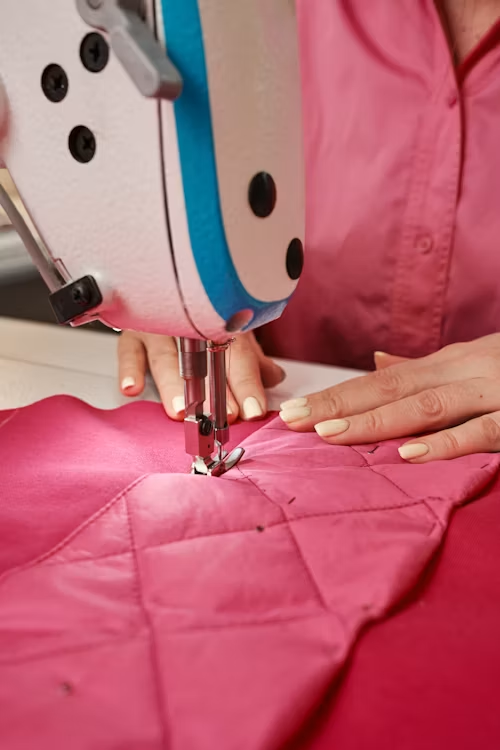
What Makes A Sewing Machine Suitable For Quilting?
A machine can sew fabric and still feel frustrating for quilting. Quilting adds thickness, drag, bulk, and repeated stitch lines. The machine needs enough stability to move fabric smoothly without pulling, bunching, or skipping stitches.
The most important difference is not always the number of stitches. A dependable quilting machine should make fabric handling easier and help the user keep consistent lines across multiple layers.
Why Throat Space Matters For Quilt Handling?
Throat space is the open area between the needle and the right side of the machine. Larger throat space gives the quilt more room to move, especially when working on lap quilts, bed quilts, or free-motion designs.
Small throat space can make the quilt feel cramped. The fabric bunches up, the user keeps stopping to reposition it, and stitch quality may suffer because the material is not moving freely.
How Stitch Consistency Affects Quilt Quality?
Good quilting depends on even stitches. Uneven stitch length can make quilting lines look messy, especially on visible topstitching. A stable machine keeps stitches balanced when sewing through cotton, batting, backing fabric, and seams.
This is where machine control becomes more important than decorative options. A quilter usually benefits more from smooth feeding, needle stability, and speed control than from hundreds of stitch patterns.
Essential Features To Compare Before Buying
Many buyers comparing machines for the first time focus on stitch count, but how to choose a sewing machine for quilting usually starts with throat space, feed control, and how smoothly the machine handles layered fabric.
A good quilting setup should support accuracy and comfort. If the machine fights the fabric, even a simple quilt can become tiring.
| Feature | Why It Matters For Quilting |
| Throat Space | Gives bulky quilts room to move |
| Walking Foot Compatibility | Helps feed quilt layers evenly |
| Needle-Down Function | Keeps fabric positioned when turning |
| Speed Control | Supports cleaner stitching for beginners |
| Extension Table | Adds flat support for larger projects |
| Strong Feed Dogs | Helps move thick fabric layers smoothly |
Feed Dogs, Walking Feet, And Fabric Control
Feed dogs move the fabric under the needle. For quilting, they need to grip consistently without stretching or shifting the layers. A walking foot adds extra control by feeding the top and bottom layers more evenly.
The most useful key features of sewing machines for quilting are the ones that directly improve fabric control, such as adjustable speed, needle-down positioning, and a reliable walking foot.
Speed Control, Needle Position, And Extension Tables
Speed control helps users sew slowly around curves, corners, and detailed quilting lines. Needle-down positioning keeps the needle in the fabric when the user pauses, which makes pivoting more accurate.
An extension table is also valuable because it supports the quilt weight. Without enough support, fabric can pull downward and affect stitch direction.
Choosing A Quilting Machine Based On Skill Level
A beginner and an experienced quilter may need different machines. Beginners usually need simplicity, predictable controls, and enough features to build confidence. Advanced users may want more throat space, faster stitching, stronger motors, and better free-motion control.
New quilters often benefit from simpler controls, so the best sewing machine for quilting for beginners should feel predictable rather than overloaded with decorative stitches.
Beginner-Friendly Controls That Reduce Frustration
For beginners, the machine should be easy to thread, simple to adjust, and comfortable to control. Automatic needle threading, clear tension settings, and speed limitation can make early quilting projects less stressful.
Beginner-friendly features include:
- Simple stitch selection
- Adjustable speed control
- Easy bobbin loading
- Clear needle plate markings
- Walking foot support
- Lightweight but stable construction
These features help the user focus on quilting technique instead of constantly troubleshooting the machine.
When Advanced Quilters Need More Power And Space
Advanced quilters often work with larger quilts, denser stitching, and more complex designs. They may need a stronger motor, wider throat space, more responsive foot control, and better free-motion performance.
A machine that feels fine for small patchwork may become restrictive for large quilts. As projects grow, comfort and fabric control become just as important as stitch options.
Common Buying Mistakes Quilters Should Avoid
The wrong machine can make quilting harder than it needs to be. Many buyers choose based on price, brand familiarity, or decorative stitch count without thinking about real quilting conditions.
Skipped stitches, uneven feeding, and thread nesting can frustrate new users, which is why common problems of sewing machines for quilting & their solutions matters before choosing a model.
Choosing Too Little Workspace
One of the biggest mistakes is buying a machine with limited throat space. Small projects may feel manageable, but larger quilts need more room to turn, fold, and guide the fabric.
A compact machine can still work for quilting, but users should understand its limits. It may be better for small quilts, table runners, baby quilts, and patchwork than for large bed quilts.
Ignoring Maintenance, Noise, And Long-Term Comfort
A quilting machine should feel comfortable during long sewing sessions. Noise, vibration, poor lighting, awkward controls, and difficult bobbin access can become annoying over time.
Maintenance also matters. A machine that collects lint quickly or becomes difficult to clean may lose performance, especially when used often with cotton fabric and batting.
Practical Setup Tips For Better Quilting Results
Even a good machine performs better with the right setup. Quilting is not only about the machine itself; the work surface, accessories, thread, needle, and fabric support all affect the final result.
A stable table and proper lighting can make quilting smoother. The quilt should sit level with the machine bed instead of hanging heavily over the edge.
Helpful Accessories For Home Quilting
A basic machine can become much easier to use when add-ons, accessories, and enhancements for quilting machines include an extension table, quilting gloves, and the right presser feet.
Useful quilting accessories include:
- Walking foot for straight-line quilting
- Free-motion quilting foot
- Extension table
- Quilting gloves
- Seam guide
- Extra bobbins
- Quilting needles
- Quality cotton or polyester thread
These accessories improve control and reduce strain, especially when working with layered fabric.
How To Test A Machine Before Committing
Before buying, users should test the machine with fabric similar to their quilting projects. A proper test should include cotton fabric, batting, backing, and seam intersections.
During the test, check whether the machine feeds smoothly, keeps even stitches, handles turns well, and feels comfortable at different speeds. The machine should feel stable, not shaky or underpowered.
FAQs
Can A Regular Sewing Machine Be Used For Quilting?
Yes. A regular sewing machine can be used for quilting if it has enough throat space, stable feeding, and walking foot compatibility. Larger quilts may feel harder on compact machines.
What Throat Space Is Good For Home Quilting?
For home quilting, more throat space is usually better. Small quilts can work on compact machines, but larger quilts are easier with wider space to move bulky fabric.
Is Speed Control Important For Quilting?
Yes. Speed control helps beginners sew more accurately and gives experienced quilters better control during curves, corners, and free-motion quilting.
Do Beginners Need A Computerized Quilting Machine?
No. Beginners do not always need computerized machines. Simple controls, steady stitching, easy threading, and walking foot support are usually more important than advanced digital features.
What Is The Most Useful Quilting Accessory?
A walking foot is one of the most useful quilting accessories because it helps feed multiple fabric layers evenly and reduces shifting during straight-line quilting.
Final Verdict
Choosing a quilting sewing machine for home projects becomes easier when the focus stays on fabric control, workspace, stitch consistency, and comfort. A machine does not need every advanced feature to perform well, but it should handle layered fabric smoothly and support the user’s quilting style.
For most home quilters, the best choice is a machine that feels stable, easy to control, and practical for the size of quilts they plan to make regularly.