
Dynamic vs condenser microphones for singing is one of the most common comparisons vocalists make when choosing recording or performance equipment. Both microphone types are designed to capture vocals, but they differ significantly in sensitivity, sound character, durability, and ideal use cases.
This guide explains the practical differences between dynamic and condenser microphones, where each excels, and how singers can select the right option based on their environment, vocal style, and performance goals.
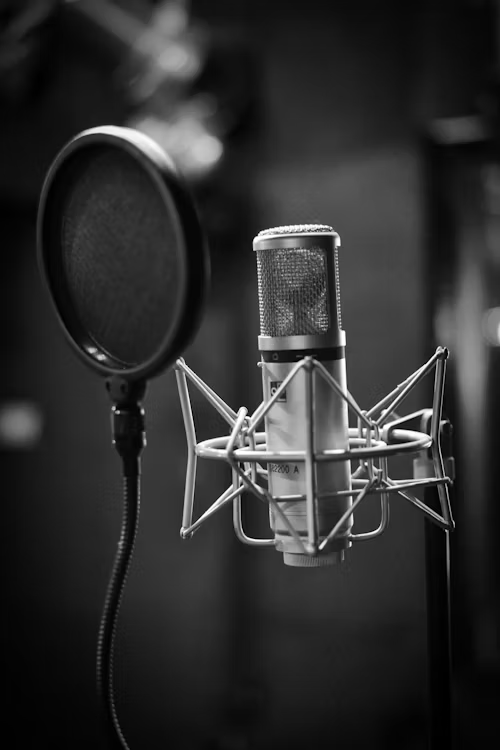
Dynamic Vs Condenser Microphones For Singing: The Main Difference
The biggest difference between these microphone types is how they capture sound.
Dynamic microphones use a moving coil design that is highly durable and resistant to loud sound pressure levels. Condenser microphones use a lightweight diaphragm that captures greater detail and subtle vocal nuances.
| Feature | Dynamic Microphone | Condenser Microphone |
| Sensitivity | Lower | Higher |
| Detail Capture | Good | Excellent |
| Background Noise Pickup | Lower | Higher |
| Durability | Excellent | Good |
| Live Performance | Excellent | Good |
| Studio Recording | Good | Excellent |
Understanding types of microphone for vocals helps singers choose between durability, detail, feedback rejection, and room sensitivity based on their specific recording environment.
The choice becomes easier once you understand how each microphone behaves in studio situations.
Which Mic Type Works Best For Studio Vocals?
Studio recordings often prioritize detail, clarity, and vocal presence.
Vocal Detail, Air, And Room Sensitivity
Condenser microphones are popular in professional studios because they capture subtle vocal textures, breath detail, and high-frequency information.
Benefits include:
- Greater vocal detail
- Enhanced clarity
- Wider frequency response
- Better transient response
Studio singers judging quality and performance of microphone for vocals should consider noise floor, transient response, frequency balance, and how naturally the microphone reproduces vocal characteristics.
When A Dynamic Mic Sounds Better In A Home Studio?
Many home studios lack professional acoustic treatment.
In these environments, dynamic microphones can provide cleaner recordings because they reject more background noise and room reflections.
A singer recording in a bedroom may achieve better results with a quality dynamic microphone than an expensive condenser used in an untreated space.
While studio environments often favor detail, live performance introduces an entirely different set of requirements.
Which Mic Type Works Best For Live Singing?
Live sound environments demand reliability, feedback control, and durability.
Feedback Rejection And Stage Durability
Dynamic microphones dominate live performance because they handle loud stage volumes exceptionally well.
Advantages include:
- Better feedback resistance
- Rugged construction
- Reliable performance
- Reduced stage noise pickup
Performers usually prioritize feedback control and rugged handling, which is why the best microphone for live vocals often favors dynamic microphone designs.
Handling Noise And Movement Control
Live singers frequently move around stage while holding the microphone.
Dynamic microphones generally produce less handling noise and tolerate physical stress better than condensers, making them ideal for touring and frequent performances.
The differences become even clearer when both microphone types are compared side by side.
Dynamic And Condenser Mic Comparison Table
| Scenario | Recommended Type |
| Professional Vocal Studio | Condenser |
| Untreated Home Studio | Dynamic |
| Podcast Recording | Either |
| Voiceover Work | Condenser |
| Live Concert Performance | Dynamic |
| Loud Rock Vocals | Dynamic |
| Acoustic Music Recording | Condenser |
| Mobile Recording Setup | Dynamic |
Comparing microphone for vocals vs alternatives becomes easier when the trade-off is framed around detail, durability, feedback resistance, and recording environment rather than marketing claims.
Regardless of microphone choice, users may still encounter common recording challenges.
Common Vocal Mic Problems By Type
Many vocal recording issues are related to microphone selection rather than microphone quality.
Harsh Highs, Muddy Tone, And Background Noise
Condenser microphones can sometimes sound overly bright or reveal room problems.
Dynamic microphones may occasionally sound less detailed if insufficient gain is available.
Common issues include:
- Excessive room reflections
- Harsh sibilance
- Muddy low frequencies
- Insufficient vocal presence
- Background noise pickup
Fixing Gain, Placement, And Room Issues
Many microphone problems can be solved through:
- Better microphone placement
- Proper gain staging
- Basic acoustic treatment
- Correct microphone selection
- Use of pop filters and shock mounts
Harshness, boominess, and unwanted background noise are common reasons people search for common problems of microphone for vocals & their solutions after purchasing a microphone that does not match their recording environment.
Understanding these troubleshooting fundamentals often saves more money than repeatedly upgrading equipment.
Frequently Asked Questions
Is A Condenser Microphone Better For Singing?
Not always. Condenser microphones provide more detail, but dynamic microphones often perform better in untreated rooms and noisy environments.
Do Professional Singers Use Dynamic Microphones?
Yes. Many professional singers use dynamic microphones for live performances because of their durability and excellent feedback rejection.
Are Condenser Microphones Better For Home Studios?
Sometimes. They work best in acoustically treated spaces where room reflections and background noise are controlled.
Which Microphone Type Lasts Longer?
Dynamic microphones generally last longer because they are built to withstand physical handling and demanding live environments.
Can A Dynamic Microphone Be Used For Studio Recording?
Yes. Many successful studio recordings have been produced with dynamic microphones, especially in home recording environments.
Final Verdict
Neither dynamic nor condenser microphones are universally better. The ideal choice depends on where and how the microphone will be used. Condensers excel in controlled studio environments where detail matters most, while dynamic microphones remain the preferred option for live performance and many home recording setups. Choosing the microphone that matches the recording environment typically delivers better results than simply choosing the most expensive model.