
Alcohol-free vs antibacterial mouthwash is a practical comparison between gentle rinses designed for comfort and stronger therapeutic rinses made to reduce bacteria, plaque, and gum irritation. This matters because gum health is not only about fresh breath. Healthy gums depend on plaque control, consistent cleaning, low irritation, and choosing a formula that matches the condition of the mouth rather than simply picking the strongest-tasting rinse.
This guide explains how alcohol-free and antibacterial mouthwashes differ, who each type is best suited for, and what limitations users should understand before using them daily. It also covers sensitive gums, plaque support, chlorhexidine-style formulas, common mistakes, and the best way to make mouthwash part of a realistic gum-care routine.
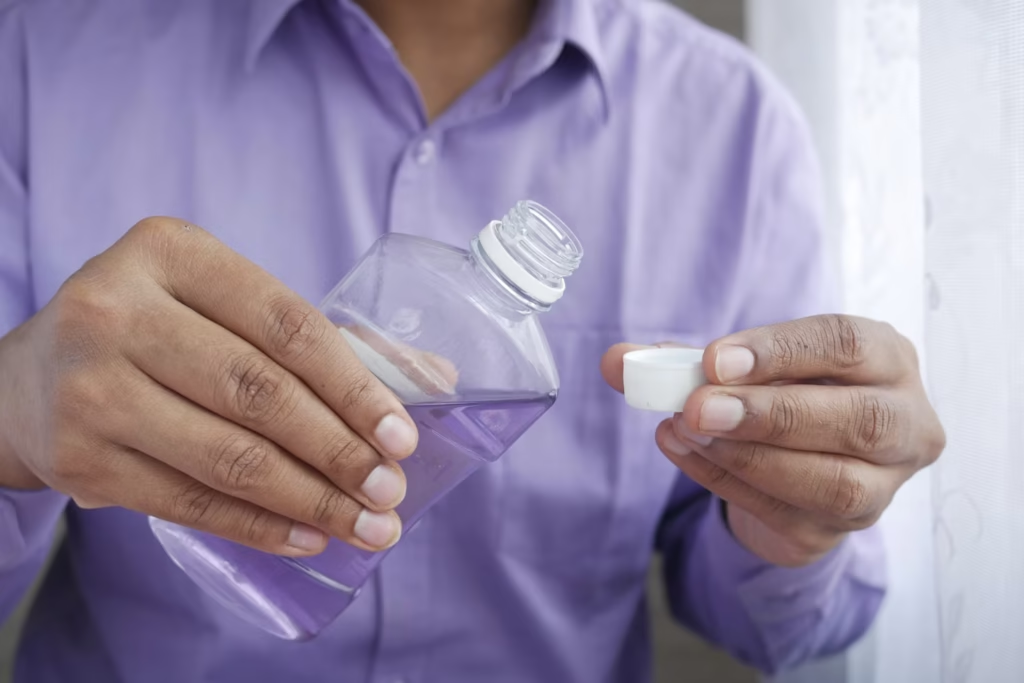
Alcohol-Free vs Antibacterial Mouthwash For Gum Health
Alcohol-free mouthwash is usually designed for users who want a gentler rinse without the burning sensation that alcohol-based formulas can cause. These rinses may be better tolerated by people with dry mouth, sensitive gums, mouth ulcers, or irritation after dental work. They can still support oral freshness and, depending on the active ingredients, may help with plaque, bad breath, or enamel protection.
Antibacterial mouthwash is built around ingredients that reduce oral bacteria. These formulas may include cetylpyridinium chloride, essential oils, chlorhexidine, or other antimicrobial agents. Their main purpose is not just to freshen breath but to support cleaner gums by reducing the bacterial load that contributes to plaque buildup and gingival inflammation.
The better choice depends on the user. Someone with mild sensitivity may benefit from a gentle alcohol-free rinse. Someone dealing with plaque, bleeding gums, or early gingivitis may need an antibacterial formula. People trying to understand how to choose mouthwash for gum disease often need to look beyond the label and consider sensitivity, plaque control, alcohol content, active ingredients, and how consistently they can use the rinse.
Why Gum Health Needs More Than Fresh Breath?
Fresh breath is a useful benefit, but it does not always mean the gums are healthy. Gum problems usually begin when plaque collects around the gumline and between teeth. If plaque is not removed through brushing and flossing, the gums can become red, swollen, tender, or prone to bleeding.
Mouthwash can help, but it should not be treated as the main treatment for gum disease. It works best as an addition to mechanical cleaning. Brushing removes plaque from tooth surfaces, flossing cleans between teeth, and mouthwash can help reduce bacteria in areas that are harder to reach.
A good gum-care rinse should support the routine, not replace it. This is especially important for people who use mouthwash because their gums bleed. Bleeding can be a sign of inflammation, poor flossing consistency, aggressive brushing, tartar buildup, or a deeper gum issue that needs dental care.
Main Types Of Mouthwash For Gum Problems
The most practical way to compare types of mouthwash for gum disease is to separate gentle daily rinses from stronger antibacterial or dentist-directed formulas. Each type has a different role, and using the wrong one can either feel too weak or too harsh.
| Mouthwash type | Best for | Common strength | Main concern |
| Alcohol-free mouthwash | Sensitive gums, dry mouth, daily comfort | Gentle to moderate | May not feel strong enough for some users |
| Antibacterial mouthwash | Plaque and gingivitis support | Moderate to strong | May cause burning or dryness in sensitive users |
| Chlorhexidine mouthwash | Short-term intensive gum support | Strong | Staining, taste changes, dentist guidance needed |
| Fluoride mouthwash | Enamel and cavity support | Gentle to moderate | Not always focused on gum inflammation |
| Essential-oil mouthwash | Bacteria control and freshness | Moderate to strong | Can feel intense for some users |
Alcohol-free does not automatically mean weak, and antibacterial does not automatically mean harsh. The active ingredient, concentration, usage frequency, and the person’s oral condition all matter.
Alcohol-Free Mouthwash: Best Uses And Limitations
Alcohol-free mouthwash is often a good starting point for people who dislike the sting of traditional rinses. It may be especially useful for users with dry mouth, mouth sensitivity, burning sensations, or irritation from strong flavors. A rinse that feels comfortable is more likely to become part of a daily routine.
For users who feel burning or dryness after rinsing, best mouthwash for sensitive gums has the kind of gentler formula that may be easier to tolerate consistently. Sensitive users often stop using mouthwash because the experience feels unpleasant, so comfort can be just as important as strength.
However, alcohol-free formulas vary widely. Some are mainly breath fresheners, while others contain active ingredients that support gum health. A gentle rinse can be useful, but it should still be selected based on the actual gum concern. If the issue is plaque, bleeding, or recurring inflammation, the formula should do more than simply taste mild.
Antibacterial Mouthwash: Best Uses And Limitations
Antibacterial mouthwash is usually better suited for users who want stronger support against plaque-related gum problems. These rinses target bacteria that contribute to gum irritation, bad breath, and gingivitis symptoms. They can be helpful when used consistently with brushing and flossing.
The main advantage is functional support. Antibacterial formulas are designed to do more than freshen breath for a few hours. They may help reduce bacteria around the gumline and improve the overall cleanliness of the mouth when used correctly.
The limitation is tolerance. Some antibacterial rinses feel strong, especially formulas with essential oils or alcohol. Others may cause temporary taste changes, dryness, or irritation. Chlorhexidine mouthwash, in particular, is usually better for short-term use under professional guidance because longer use can contribute to staining and taste disturbance.
Alcohol-Free vs Antibacterial Mouthwash Comparison
| Feature | Alcohol-free mouthwash | Antibacterial mouthwash |
| Best fit | Sensitive gums, dry mouth, mild daily use | Plaque control, gingivitis support, stronger freshness |
| Comfort level | Usually gentler | Can feel stronger or more intense |
| Gum support | Depends on active ingredients | Usually more targeted |
| Daily use | Often suitable | Depends on formula and instructions |
| Common drawback | May not be strong enough for advanced concerns | May irritate sensitive users |
| Best user type | People who need comfort and consistency | People who need stronger bacterial control |
The choice should not be based only on whether the rinse burns. Some people assume burning means the mouthwash is working, but irritation is not a reliable sign of effectiveness. A rinse should feel manageable enough to use properly and should match the user’s gum condition.
How To Choose The Right Mouthwash For Your Gum Needs?
Choosing the right rinse starts with the main problem. If the user mainly has sensitivity, dryness, or discomfort, an alcohol-free rinse may be more realistic. If the main concern is plaque, bleeding, or early gingivitis, an antibacterial rinse may offer more relevant support.
A simple decision process can help:
- Choose alcohol-free if strong rinses cause burning, dryness, or irritation.
- Choose antibacterial if plaque control and gum inflammation are the main concerns.
- Choose fluoride if cavity protection is also important.
- Choose chlorhexidine only when it is appropriate for short-term intensive use.
- Ask a dentist if gums bleed often, feel swollen, or pull away from the teeth.
The real test of a gum-care rinse is long-term value and consistency, because a product only helps if it is comfortable, affordable, and realistic enough to use regularly. A mouthwash that is too harsh, too expensive, or too difficult to fit into the routine often fails even if the formula looks strong on paper.
Common Mistakes When Using Mouthwash For Gum Care
Mouthwash is simple to use, but many people use it in ways that reduce its value. The most common mistake is treating it as a replacement for brushing or flossing. Mouthwash can reduce bacteria, but it cannot remove sticky plaque between teeth the way floss can.
A major part of best practices for preparation and use is knowing when to rinse, how long to swish, and why mouthwash should support brushing and flossing rather than replace them. The instructions on the product label matter because formulas differ in strength, contact time, and recommended frequency.
Other common mistakes include:
- using too much mouthwash because stronger feels better
- rinsing with water immediately afterward
- ignoring burning or dryness
- using a chlorhexidine rinse for too long without guidance
- choosing a breath-freshening rinse for gum inflammation
- stopping brushing near the gumline because bleeding occurs
Bleeding gums should not be ignored. If gentle brushing and consistent flossing do not improve the issue, a dental visit is important. Mouthwash may support gum care, but tartar, deep pockets, or periodontal disease need professional evaluation.
When To Choose Alcohol-Free Mouthwash?
Alcohol-free mouthwash makes sense when comfort is the priority. It is often a better fit for people who avoid rinsing because traditional formulas sting. It may also be useful for people with dry mouth, sensitive tissue, or a history of irritation from strong oral care products.
This type of rinse is especially practical for daily maintenance. A comfortable mouthwash encourages regular use, and consistency matters in gum care. If the formula also includes useful active ingredients, it can support both comfort and oral freshness.
However, users should read labels carefully. “Alcohol-free” describes what is not in the formula, not necessarily what the formula does. For gum support, the active ingredients matter more than the absence of alcohol alone.
When To Choose Antibacterial Mouthwash?
Antibacterial mouthwash is often more appropriate when the user wants targeted gum support. If plaque buildup, bad breath, gumline inflammation, or early gingivitis symptoms are the main concern, a therapeutic antibacterial rinse may be more useful than a mild cosmetic rinse.
This does not mean every user needs the strongest option. A moderate antibacterial formula may be enough for daily support, while stronger options may be better reserved for specific needs. The best choice is one that balances effectiveness with comfort.
Users with recurring bleeding, swelling, loose teeth, gum recession, or persistent bad breath should not rely on mouthwash alone. These symptoms may point to issues that need a dentist’s attention.
FAQs
Is Alcohol-Free Mouthwash Better For Gum Disease?
Alcohol-free mouthwash may be better for sensitive gums or dry mouth, but it is not automatically better for gum disease. The active ingredients matter most. Some users need antibacterial support, while others need a gentler rinse they can use consistently.
Is Antibacterial Mouthwash Safe For Daily Use?
Many antibacterial mouthwashes are designed for regular use, but instructions vary by formula. Stronger rinses, especially chlorhexidine, may be intended for short-term use. Users should follow the label and ask a dentist if symptoms persist.
Can Mouthwash Reverse Gum Disease?
Mouthwash can support gum health, but it cannot reverse advanced gum disease by itself. Early gingivitis may improve with better brushing, flossing, and rinsing, but periodontitis usually needs professional dental treatment.
Should Sensitive Gums Avoid Alcohol Mouthwash?
Sensitive gums often tolerate alcohol-free formulas better because alcohol-based rinses can feel drying or irritating. If burning, dryness, or soreness happens after rinsing, switching to a gentler formula may improve consistency.
What Mouthwash Type Is Best For Beginners?
Beginners usually do best with a gentle therapeutic rinse that is easy to tolerate and simple to use daily. If gum bleeding, swelling, or plaque buildup is present, an antibacterial option may be more appropriate.
Final Verdict
Alcohol-free and antibacterial mouthwashes serve different gum-care needs. Alcohol-free formulas are often better for sensitivity, comfort, and daily consistency, while antibacterial rinses may offer stronger support for plaque and gingivitis concerns.
The best choice depends on the user’s symptoms, tolerance, oral hygiene routine, and whether professional dental care is needed. A good mouthwash should make gum care easier to maintain, not replace brushing, flossing, or regular dental checkups.