
Powder vs aerosol dry shampoo is a comparison between two common oil-absorbing formulas used to refresh roots, reduce greasiness, and extend hairstyles between washes. The difference matters because the delivery method affects how the product feels, how much oil it absorbs, how visible the residue looks, and how much volume it adds. For someone choosing an affordable drugstore option, the right formula can make hair look cleaner and lighter, while the wrong one can leave roots dull, stiff, or coated.
This guide explains how powder, aerosol, tinted, foam, mist, and non-aerosol dry shampoos compare in real use. You will learn which type works better for oily roots, fine hair, dark hair, sensitive scalps, volume, and longer wear, so the final choice feels practical instead of based only on brand claims or packaging.
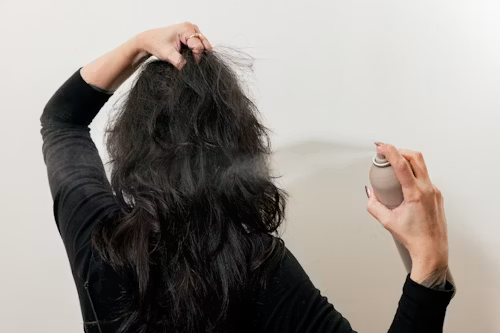
Why Dry Shampoo Formula Type Matters?
Dry shampoo is not just one product in different bottles. The biggest difference between types of drugstore dry shampoo is not just packaging; powders, aerosols, foams, and tinted formulas all leave a different finish on the scalp and roots. Some feel weightless and invisible, while others absorb oil more strongly but need careful blending.
Formula type affects four important things: oil control, residue, texture, and scalp comfort. Aerosols usually spread product quickly and evenly, which makes them convenient for busy mornings. Loose powders can feel stronger on oily roots but may look heavier if applied too generously. Tinted sprays can reduce white cast on dark hair, while non-aerosol formulas may appeal to people who dislike strong fragrance or spray clouds.
| Formula type | Best for | Possible drawback |
| Aerosol dry shampoo | Speed, volume, light refresh | Can leave fragrance buildup or white cast |
| Powder dry shampoo | Strong oil control, longer wear | Can feel heavy if overapplied |
| Tinted dry shampoo | Dark hair, visible roots | Shade mismatch can show |
| Foam dry shampoo | Controlled application | May feel damp before drying |
| Mist or non-aerosol dry shampoo | Sensitive users, low-spray routines | May offer less instant lift |
The best choice depends on how your hair behaves between washes, not simply which product is most popular.
Aerosol Dry Shampoo: Best For Speed And Root Volume
Aerosol dry shampoo is the most common drugstore format because it is fast, lightweight, and easy to apply. It sprays a fine mist of oil-absorbing ingredients directly onto the roots, making it useful when hair needs a quick refresh before work, errands, travel, or styling.
The main advantage is distribution. A good aerosol can cover the crown, part line, and hairline quickly without requiring much manual work. This makes it helpful for fine or flat hair because the spray can add grip and lift at the roots. Spray consistency, oil absorption, scent strength, and residue control all influence quality and performance of drugstore dry shampoo, especially when comparing aerosol formulas side by side.
Aerosols are especially useful when you want:
- quick root refresh;
- light volume before styling;
- easy application on busy mornings;
- less direct contact with the scalp;
- a cleaner finish on fine or medium hair.
However, aerosol formulas are not perfect. Some leave a visible white cast, especially on dark hair. Others contain strong fragrance that lingers longer than expected. If the nozzle sprays unevenly or too heavily, the product can collect in one spot and look chalky.
Aerosol dry shampoo works best when sprayed in short bursts from a proper distance. Holding the can too close often creates the residue people blame on the formula itself.
Powder Dry Shampoo: Best For Oil Control And Longer Wear
Powder dry shampoo is usually applied by sprinkling, puffing, or tapping product onto oily roots. It can feel more concentrated than aerosol because the powder lands directly where oil is present. For very greasy roots, this can be an advantage.
Powders often work well for people who need stronger oil absorption or want to avoid aerosol sprays. They can also last a long time because a small amount may be enough for each use. This makes them practical for people who refresh the same areas repeatedly, such as the hairline or crown.
The downside is that powders require more control. Too much product can make roots look dusty, matte, or dull. On fine hair, heavy powder can remove shine and flatten movement. On dark hair, pale powder may be more visible if it is not massaged in properly.
Powder dry shampoo is usually a better fit when:
- roots become oily very quickly;
- fragrance sensitivity is a concern;
- the user prefers non-aerosol products;
- targeted application matters more than speed;
- longer oil control is more important than instant volume.
The best way to use powder is to start with a very small amount, let it sit, then massage it into the roots. Adding more is easy. Removing too much is harder.
Tinted Dry Shampoo: Best For Dark Hair And Visible Roots
Tinted dry shampoo is designed to reduce the gray or white cast that many standard formulas leave on brown, black, or deep brunette hair. It can be especially helpful around the part line, temples, and crown, where pale residue is most visible.
The benefit is visual blending. Instead of leaving a dusty finish, tinted formulas use colored particles that look closer to natural hair shades. Some people also use tinted dry shampoo to soften the look of visible roots between color appointments.
Still, tinted dry shampoo needs careful application. A shade that is too warm, too cool, or too dark can look unnatural in daylight. Some tinted formulas may also transfer onto fingers, pillowcases, hats, or clothing if too much is applied.
Tinted formulas are best for:
- dark brown or black hair;
- visible part lines;
- root touch-up between washes;
- people who dislike ashy residue;
- styles where the scalp area is exposed.
For the cleanest finish, apply it lightly and blend with fingertips after it settles. It should improve the look of the roots without making the hair feel coated.
Foam, Mist, And Non-Aerosol Options
Foam, mist, and other non-aerosol dry shampoos are less common than sprays and powders, but they can be useful for certain routines. Some users compare drugstore dry shampoo vs alternatives when aerosols feel too fragranced, powders feel too visible, or scalp comfort becomes more important than instant volume.
Foam dry shampoo can feel unusual at first because it may apply slightly damp. It usually needs time to dry before the hair looks refreshed. The advantage is control. You can place the product more deliberately instead of spraying it into the air.
Mist-based or non-aerosol formulas may appeal to people who dislike aerosol cans or strong spray clouds. They can also feel more comfortable for users who are sensitive to fragrance or airborne product. However, they may not give the same instant volume that aerosol dry shampoo provides.
These formats may work better for:
- sensitive scalps;
- fragrance-sensitive users;
- people avoiding aerosol sprays;
- controlled root application;
- low-volume, natural-looking refreshes.
The trade-off is performance speed. Non-aerosol options may take more time and may need more blending, but they can be worthwhile when comfort matters more than dramatic root lift.
How To Choose The Right Formula For Your Routine?
The right dry shampoo formula should match your hair texture, scalp behavior, wash schedule, and styling expectations. Hair texture, wash frequency, scalp sensitivity, and styling habits all shape how to choose drugstore dry shampoo more than brand popularity alone.
For oily roots, powder or stronger aerosol formulas may work better because they absorb more oil. For fine hair, lightweight aerosols are often easier because they add lift without making the hair feel dusty. For dark hair, tinted formulas can reduce visible residue. For sensitive scalps, fragrance-light powders, foams, or non-aerosol options may feel more comfortable.
Here is a simple way to choose:
| Hair concern | Better formula direction |
| Very oily roots | Powder or strong oil-control aerosol |
| Fine, flat hair | Lightweight aerosol |
| Dark hair | Tinted spray or carefully blended powder |
| Sensitive scalp | Fragrance-light powder, foam, or mist |
| Need fast styling | Aerosol spray |
| Need longer wear | Powder or concentrated formula |
Cost should also be judged by use, not only bottle price. A formula that needs constant reapplication may weaken longevity and long-term value of drugstore dry shampoo, even when the bottle looks affordable at first. A slightly higher-priced product can be better value if it works with fewer sprays and leaves less residue.
The best formula is the one that solves your main problem without creating another one.
FAQs
Is Powder Dry Shampoo Better Than Aerosol?
Powder dry shampoo is often better for stronger oil absorption, while aerosol is usually better for speed and volume. The better choice depends on hair type, oil level, and how much blending you prefer.
Does Aerosol Dry Shampoo Add More Volume?
Aerosol dry shampoo usually adds more visible root lift because the spray distributes lightly through the hair. It works especially well for fine or flat hair when applied in short bursts.
Is Tinted Dry Shampoo Only For Dark Hair?
Tinted dry shampoo is mainly useful for dark hair because it reduces white cast. Some lighter tinted formulas may work for brunettes, but shade matching is important to avoid visible transfer or uneven color.
Which Dry Shampoo Type Lasts Longest?
Powder dry shampoo often lasts longest because it is concentrated and used in small amounts. However, longevity depends on oil level, application technique, bottle size, and how often the product needs reapplication.
Are Non-Aerosol Dry Shampoos Better For Sensitive Scalps?
Non-aerosol dry shampoos may be better for some sensitive scalps because they reduce spray clouds and strong fragrance exposure. Still, ingredients matter, so irritation can happen with any formula type.
Final Verdict
Powder and aerosol dry shampoos both work, but they serve different needs. Aerosols are faster, lighter, and better for volume, while powders often provide stronger oil control and longer wear when applied carefully.
Tinted, foam, mist, and non-aerosol formulas can also be useful depending on hair color, scalp comfort, and styling routine. The best drugstore dry shampoo formula is the one that matches your oil level, hair texture, residue concerns, and daily routine without making the hair feel heavy or artificial.