Why your shower drain still clogs after cleaning usually comes down to trapped hair, soap scum, conditioner residue, mineral buildup, or a blockage sitting deeper than the cleaner reached. The drain may improve briefly, then slow again once water pressure pushes debris back into the flow path.
This article explains why shower clogs return, how to spot incomplete cleaning, when product choice affects results, and which methods work better for stubborn or recurring hair clogs.
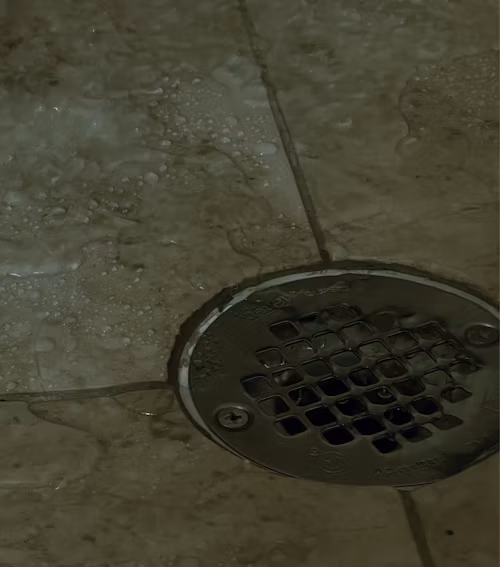
Why Shower Drains Clog Again After Cleaning?
A shower drain can look fixed after cleaning but still contain buildup below the visible opening. Hair often wraps around a stopper, drain crossbar, pipe bend, or rough interior surface. When soap scum and body oils stick to those strands, the clog becomes thicker over time.
Conditioners, shaving cream, hard water minerals, and bath products can also leave residue behind. A cleaner may dissolve part of the soft buildup but leave the compacted hair mass in place. That is why the water may drain faster for a few days, then slow down again.
Recurring clogs usually mean the first cleaning removed symptoms, not the full blockage.
Signs The Cleaner Did Not Reach The Full Clog
One of the clearest signs is temporary improvement. If the drain works better right after treatment but slows again within a week or two, the blockage may still be deeper in the pipe.
Standing water is another warning sign. When water pools around the drain during a normal shower, the cleaner may not have moved far enough to break apart the clog. In some cases, thick hair buildup blocks the cleaner from reaching the lower part of the drain.
When water barely moves after treatment, best drain cleaner for hair for severe clogs becomes more relevant because light maintenance formulas may not reach dense hair masses trapped deeper in the pipe.
Other signs include gurgling sounds, unpleasant drain odors, and water backing up after longer showers. These symptoms suggest the blockage is not just surface hair near the drain cover.
Once the signs are clear, the next step is checking whether the chosen cleaner matched the actual clog.
Product Choice Problems That Cause Poor Results
Not every drain cleaner works the same way. Thin liquids may pass through standing water too quickly or flow around the clog without clinging to the hair. Thick gel formulas often stay in contact longer, which can help when the blockage is near the drain opening.
Enzyme cleaners work differently from strong chemical cleaners. They are usually better for gradual maintenance because they break down organic buildup slowly. Chemical cleaners may work faster, but they require careful use and are not always the right choice for older plumbing, sensitive surfaces, or repeated treatments.
A guest bathroom or only working shower may need quicker action, so best drain cleaner for hair for fast results usually matters most when waiting overnight is not realistic.
Poor results often happen when the product strength, contact time, and clog type do not line up.
| Drain Situation | Common Product Problem | Better Direction |
| Slow drain after light buildup | Cleaner used too late | Begin routine maintenance earlier |
| Standing water | Product cannot reach clog well | Remove surface hair first |
| Recurring clog | Hair mass remains deeper | Use a tool or stronger targeted method |
| Odor after cleaning | Organic residue remains | Clean stopper and drain opening |
| Fast re-clogging | No hair catcher used | Add drain protection |
Product choice matters, but method choice matters just as much when the same clog keeps returning.
When Drain Cleaning Methods Need To Change?
A drain cleaner is not always the best first solution. If hair is wrapped around a stopper or drain crossbar, a plastic hair removal tool may pull out more debris than a liquid cleaner. If the clog sits farther down, a drain snake may be more effective.
Repeated chemical use can also become risky. Pouring in more cleaner after every failed attempt may expose the tub, drain trim, and pipe materials to unnecessary stress. It may also leave chemical residue sitting in standing water.
Recurring clogs are not always a product failure, because drain cleaner for hair vs alternative methods often depends on whether the blockage is soft buildup, compacted hair, or something lodged mechanically.
A simple rule helps: if the drain is slow but still moving, a cleaner may help. If the drain is barely moving, removing hair physically may be the smarter first step.
After changing the method, the focus should shift to stopping the same problem from coming back.
How To Stop Recurring Shower Drain Clogs?
Recurring clogs need a routine, not just one emergency treatment. Start by removing visible hair after every shower. Then clean the drain cover weekly so soap film does not create a sticky surface for new strands.
A hair catcher can make a major difference, especially in bathrooms used by several people. It reduces how much hair reaches the pipe, which lowers the need for repeated chemical cleaning.
Foaming, odor, weak results, and repeated slow drainage are common warning signs, which makes common problems of drain cleaner for hair and their solutions useful for matching the fix to the actual issue.
For long-term prevention, match the solution to the pattern:
- Slow drain every few weeks: improve routine cleaning.
- Drain slows after every shower: add a better hair catcher.
- Water backs up quickly: remove hair mechanically.
- Cleaner works only briefly: reassess product type and clog severity.
- Odor returns often: clean the stopper, overflow area, and drain opening.
A recurring clog is usually a system problem. Better habits, better protection, and better product selection work together.
How To Match The Cleaner To The Clog Severity?
The severity of the clog should guide the cleaner choice. A light slowdown does not usually need the strongest formula. A maintenance product or enzyme-based cleaner may be enough if water still drains normally.
A packed hair clog needs a different approach. Dense hair buildup may need a gel formula, longer contact time, or mechanical removal before a cleaner can work properly.
A cleaner that works well for light buildup may disappoint on a packed shower clog, so how to choose the best drain cleaner for hair starts with judging severity, pipe type, and how quickly the drain needs to clear.
Before using any product, check the label for pipe compatibility, recommended wait time, ventilation guidance, and flushing instructions. The right cleaner should solve the problem without creating unnecessary risk.
The best result usually comes from diagnosing the clog before choosing the treatment.
Practical Troubleshooting Checklist
Use this checklist when a shower drain still clogs after cleaning:
- Remove visible hair from the drain opening.
- Check whether the stopper traps hair underneath.
- Note whether water drains slowly or stands still.
- Avoid mixing cleaners or repeating harsh treatments.
- Try a hair removal tool if buildup is near the opening.
- Use a product suited to the clog severity.
- Add a drain cover after the clog clears.
- Call a plumber if water backs up repeatedly or affects multiple drains.
This approach helps separate minor maintenance problems from deeper plumbing concerns.
FAQs
Why Does My Shower Drain Clog Again So Quickly?
Your shower drain may clog quickly because the first cleaning removed only surface buildup. Hair, soap scum, and conditioner residue can remain deeper in the pipe and collect new debris.
Can Drain Cleaner Make A Clog Worse?
Yes, in some cases. If the cleaner cannot reach the clog or is overused, it may sit in standing water, leave residue, or create safety risks without clearing the blockage.
Should I Use A Drain Snake Before Drain Cleaner?
Yes, when visible hair or a compacted clog is near the drain opening. Removing hair physically can help the cleaner reach leftover residue more effectively.
Why Does My Drain Smell After Cleaning?
Drain odor usually means organic residue remains inside the drain, stopper, or pipe wall. Hair, soap scum, and bacteria can keep producing smells even after water flow improves.
When Should I Call A Plumber For A Shower Clog?
Call a plumber if water backs up repeatedly, multiple drains are slow, sewage odors appear, or DIY cleaning does not improve drainage. These signs may point to a deeper plumbing issue.
Final Verdict
A shower drain that still clogs after cleaning usually needs better diagnosis, not just more product. The blockage may be deeper, denser, or more mechanical than the first cleaning method could handle.
The most reliable fix is to match the solution to the clog: remove trapped hair, use the right cleaner, avoid unsafe overuse, and add prevention so the same drain does not keep clogging again.