
How to clean LVP floors without damage means using gentle products, low moisture, and non-abrasive tools to protect the wear layer. Luxury vinyl plank flooring is durable, but harsh chemicals, steam, wax, and soaking can dull the finish or cause long-term problems.
This guide explains safe daily cleaning, deeper maintenance, what to avoid, and how to fix streaks or sticky residue. It helps homeowners keep LVP floors clean, smooth, and attractive without risking surface damage.
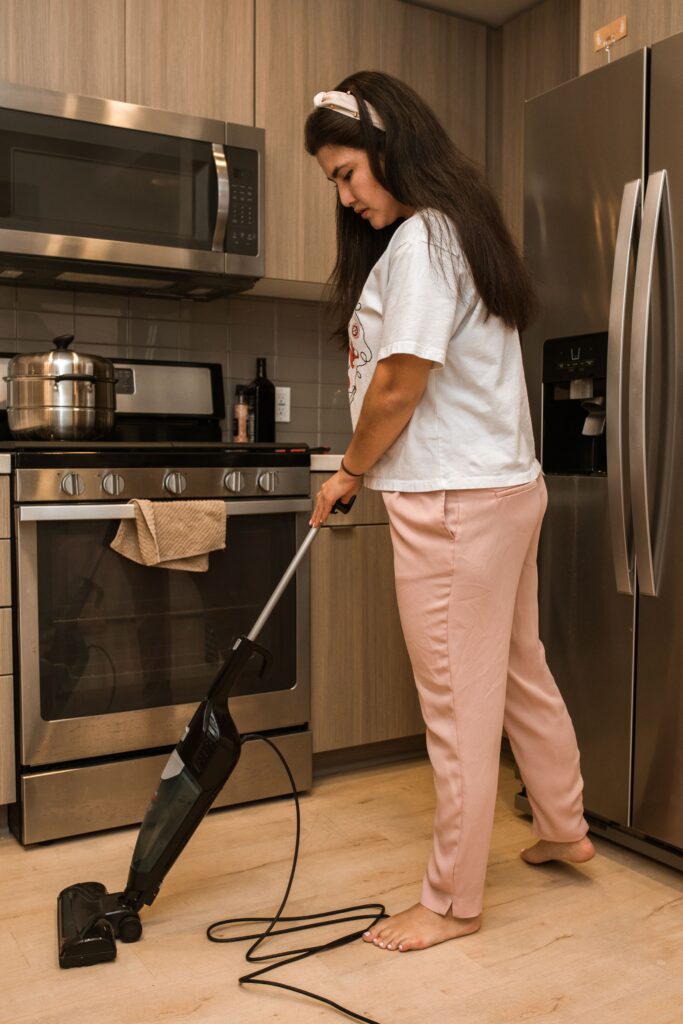
How To Clean LVP Floors Safely At Home?
LVP floors need a simple cleaning routine, not aggressive scrubbing. The surface is designed to resist common household wear, but the protective layer can still react poorly to strong chemicals, abrasive pads, or too much standing water.
Start with dry cleaning before adding moisture. Dust, grit, pet hair, and crumbs should be removed with a microfiber dust mop, soft broom, or vacuum made for hard floors. This matters because tiny particles can act like sandpaper when dragged across the surface during mopping.
New homeowners often feel unsure about product strength, so best cleaner for LVP floors for beginners usually matters most when the goal is safe routine maintenance rather than aggressive scrubbing.
A safe basic routine looks like this:
| Cleaning Step | Best Tool | Why It Helps |
| Dry dusting | Microfiber mop | Removes grit before mopping |
| Light cleaning | Damp mop | Cleans without soaking seams |
| Spot cleaning | Soft cloth | Targets spills quickly |
| Dry finish | Clean towel if needed | Prevents water marks and haze |
Once the floor is free of loose debris, the next step is choosing the right cleaning method for daily maintenance.
Best Cleaning Methods For Everyday LVP Maintenance
Everyday LVP cleaning should be light, controlled, and consistent. Most homes do not need heavy-duty cleaning every day. A damp mop with a compatible cleaner is usually enough for footprints, mild spills, kitchen residue, and normal household dust.
Different homes need different formulas, and types of cleaner for LVP floors can affect whether a floor feels clean, slippery, scented, residue-free, or safe for frequent use.
For routine cleaning, use these methods:
- Spray cleaner lightly instead of flooding the floor.
- Mop in small sections so liquid does not sit too long.
- Use a microfiber mop head rather than a sponge mop.
- Rinse or replace dirty mop pads during cleaning.
- Dry any wet edges near baseboards or plank seams.
The mop should feel damp, not soaked. If water is visible on the floor after several passes, the mop is too wet. LVP is water-resistant, but that does not mean it should be saturated during every cleaning session.
After learning the right method, it becomes just as important to know which cleaning habits can damage the floor.
What To Avoid When Cleaning LVP Floors?
Many LVP problems come from using products that seem effective but are too harsh for the surface. Bleach, ammonia, abrasive powders, solvent-heavy degreasers, and oil-based products can leave dull patches, residue, or a slippery film.
Steam mops are also risky for many LVP floors. Heat and moisture can affect adhesives, seams, and plank stability, especially if the flooring manufacturer warns against steam cleaning. Even when the floor looks fine immediately, repeated steam exposure can create long-term issues.
A major part of how to choose the best cleaner for LVP floors is knowing which ingredients, finishes, and application styles may leave haze or gradually weaken the floor’s appearance.
Avoid using:
- Steel wool or abrasive scrub pads
- Wax, polish, or shine-restoring coatings not made for LVP
- Vinegar in strong concentration
- Too much dish soap
- Steam cleaners unless the manufacturer clearly allows them
- Excess water around seams and edges
Gentle cleaning protects the appearance of LVP better than occasional harsh cleaning. When a floor already looks cloudy or sticky, the issue is usually residue rather than lack of scrubbing.
How To Remove Streaks, Film, And Sticky Residue?
Streaks on LVP floors usually happen when cleaner is overused, mop water is dirty, or the product leaves behind a film. Sticky residue often comes from soap, polish, oil-based cleaners, or using too much solution in one area.
When streaking keeps returning after mopping, common problems of cleaner for lvp floors and their solutions usually come down to dilution, residue, mop type, or using too much liquid.
To fix cloudy or sticky floors, try this simple process:
- Dry dust the floor completely.
- Mix a small amount of compatible cleaner with water if dilution is required.
- Mop a small test area with a clean microfiber pad.
- Wipe the area again with a barely damp clean pad.
- Dry the surface with a soft towel if haze remains.
If the floor improves after rinsing, residue was likely the problem. If the haze remains, the issue may come from product buildup, surface wear, or a cleaner that is not compatible with LVP.
For spills such as juice, sauce, mud, or pet messes, clean them quickly with a soft cloth. Letting sticky spills dry makes them harder to remove and often encourages over-scrubbing.
Once residue is under control, a regular cleaning schedule helps prevent the same problem from returning.
Weekly And Monthly LVP Floor Cleaning Routine
A good LVP routine depends on foot traffic. A quiet bedroom may only need light weekly cleaning, while kitchens, hallways, and entryways may need attention several times per week.
Consistent routines matter because safety, maintenance, and best practices for cleaner for lvp floors often determine whether a product protects the surface or creates long-term buildup.
A practical schedule can look like this:
| Area Type | Cleaning Frequency | Best Approach |
| Bedrooms | Weekly | Dust mop and light damp mop |
| Kitchen | 2–3 times weekly | Spot clean spills and mop lightly |
| Entryway | Several times weekly | Remove grit, mud, and moisture quickly |
| Pet areas | As needed | Clean accidents immediately |
| Whole home | Monthly | Check for residue, streaks, and buildup |
For better long-term care, place mats near doors, remove shoes when possible, trim pet nails, and use felt pads under furniture. These small habits reduce scratching, grit, and unnecessary cleaning pressure.
LVP floors usually stay in better condition when cleaning is frequent but gentle. Heavy scrubbing should be rare, not part of the normal routine.
FAQs
Can You Mop LVP Floors Every Day?
Yes, but only with a lightly damp mop. Daily wet mopping is usually unnecessary unless the floor gets heavy traffic, spills, or pet messes.
Is Vinegar Safe For LVP Floors?
Sometimes, but only when heavily diluted and approved by the flooring manufacturer. Strong vinegar can dull finishes or leave an unpleasant smell.
Why Do My LVP Floors Look Cloudy After Cleaning?
Cloudiness usually comes from cleaner residue, dirty mop water, waxy products, or too much solution. Rinsing with a clean damp microfiber pad often helps.
Can I Use A Steam Mop On LVP Floors?
Usually no. Many LVP manufacturers warn against steam because heat and moisture can affect seams, adhesives, and long-term plank stability.
What Is The Best Mop For LVP Floors?
A microfiber flat mop is usually best. It cleans gently, controls moisture well, and does not drag abrasive dirt across the wear layer.
Final Verdict
Cleaning LVP floors safely is mostly about gentle tools, low moisture, and residue-free products. The floor should be cleaned often enough to remove grit and spills, but not so aggressively that the finish becomes dull or sticky.
A simple routine with microfiber tools, compatible cleaner, and careful moisture control can keep luxury vinyl plank flooring looking clean and well maintained for years.